Home › City services › Schools

Schools

Build the campus. Set the tuition.

Education in The City is a path each resident walks, from elementary school to a degree. You build every step of it, decide what it costs, and your economy depends on how well you do.

  • A school in reachChildren with no school in reach are unhappy.
  • Diploma, then degreeSchool gives a diploma; college or university a degree.
  • Offices need graduatesOffice zones stay empty without them.
  • You set the priceSchool fees and tuition are in the budget.

The path through school

  1. SchoolChildren go to the school that fits their age. Children in the wrong school move to the right one. School gives a diploma.
  2. College or universityAdults with a diploma can study for a degree, at the public city college or a private university.
  3. A better jobOffice jobs need a diploma or a degree, and educated people take better-paid jobs.

Under Build menu, Services, Education.

SchoolAges
Elementary5 to 10
Middle11 to 13
High14 to 18
School (the plain one)All of them

Bigger schools take pupils from further away. Each school covers the homes within its reach, and needs staff from your residents.

School fees are set in the budget window. A district can waive them with a free policy: families there pay nothing, and the city goes without the fee.

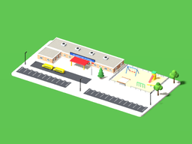
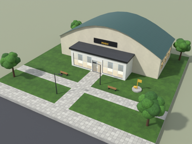
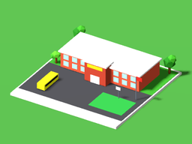
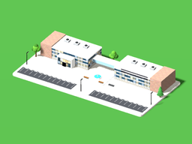
School, as it looks in the game

School

One school for every age.

Cost
$110,000
Running cost
$64 a day
Reach
45 blocks
Pupils
80
Staff
6
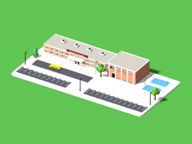
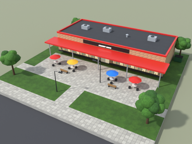
Elementary school, as it looks in the game

Elementary school

Ages 5 to 10. Needs a wide lot.

Cost
$180,000
Running cost
$112 a day
Reach
55 blocks
Pupils
160
Staff
10
Middle school, as it looks in the game

Middle school

Ages 11 to 13. Needs a wide lot.

Cost
$220,000
Running cost
$128 a day
Reach
75 blocks
Pupils
200
Staff
12
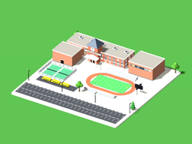
High school, as it looks in the game

High school

Ages 14 to 18. Needs a large lot.

Cost
$440,000
Running cost
$240 a day
Reach
105 blocks
Pupils
400
Staff
24

College or university: public or private

There are two ways to offer a degree, and you can run both.
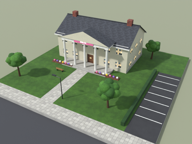
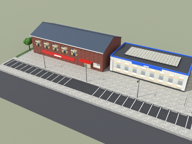
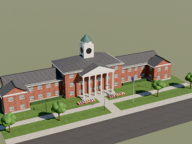
Community college, as it looks in the game

Community college

Public. The city pays most of the cost, so tuition is low. Needs a wide lot.
Cost
$170,000
Running cost
$144 a day
Reach
120 blocks
Students
120
Staff
12
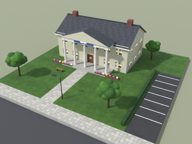
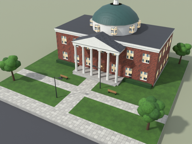
University main hall, as it looks in the game

University main hall

The heart of a private university. Charges the tuition you set, which comes to the city. Needs a wide lot.

Cost
$260,000
Running cost
$32 a day
Reach
160 blocks
Students
200
Staff
20

Higher charges make people less happy, so the price of a semester is a real decision. You can run both.

A campus you assemble

A college or university starts with its main hall. Each campus building adds places to any college or university within 20 blocks (Build menu, Services, Campus).
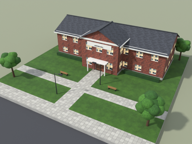
Lecture hall, as it looks in the game

Lecture hall

Price
$55,000
Adds
+100 students
Library, as it looks in the game

Library

Price
$42,000
Adds
+60 students
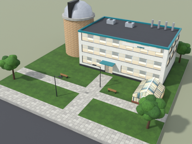
Science building, as it looks in the game

Science building

Price
$70,000
Adds
+80 students
Music building, as it looks in the game

Music building

Price
$42,000
Adds
+40 students
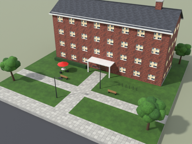
Dormitory, as it looks in the game

Dormitory

Price
$28,000
Adds
+50 students
Sorority house, as it looks in the game

Sorority house

Price
$14,000
Adds
+20 students
Fraternity house, as it looks in the game

Fraternity house

Price
$14,000
Adds
+20 students
Student union, as it looks in the game

Student union

Price
$42,000
Adds
+40 students
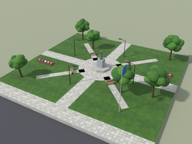
Quad lawn, as it looks in the game

Quad lawn

Price
$2,000
Adds
+10 students
Athletics center, as it looks in the game

Athletics center

Price
$58,000
Adds
+60 students. Two lots long

Campus paths cost $14 a block and join the campus buildings they reach. Places to learn: lecture hall, library, science and music buildings. Places to live: dormitory, sorority and fraternity houses. Campus life: student union, the quad and an athletics center.
Why it matters to the city

  • No graduates, no offices. Offices only grow where people have diplomas and degrees. Watch the O bar.
  • Higher pay, higher tax. Educated people take better-paid jobs, and income tax is a share of what they earn.
  • Services need qualified staff. Hospitals struggle to hire in a city with few diplomas and degrees.
  • Happiness. A school in reach for children is one of the big things every resident's happiness moves with.
  • Land value. Schools and universities lift the value of the land near them.
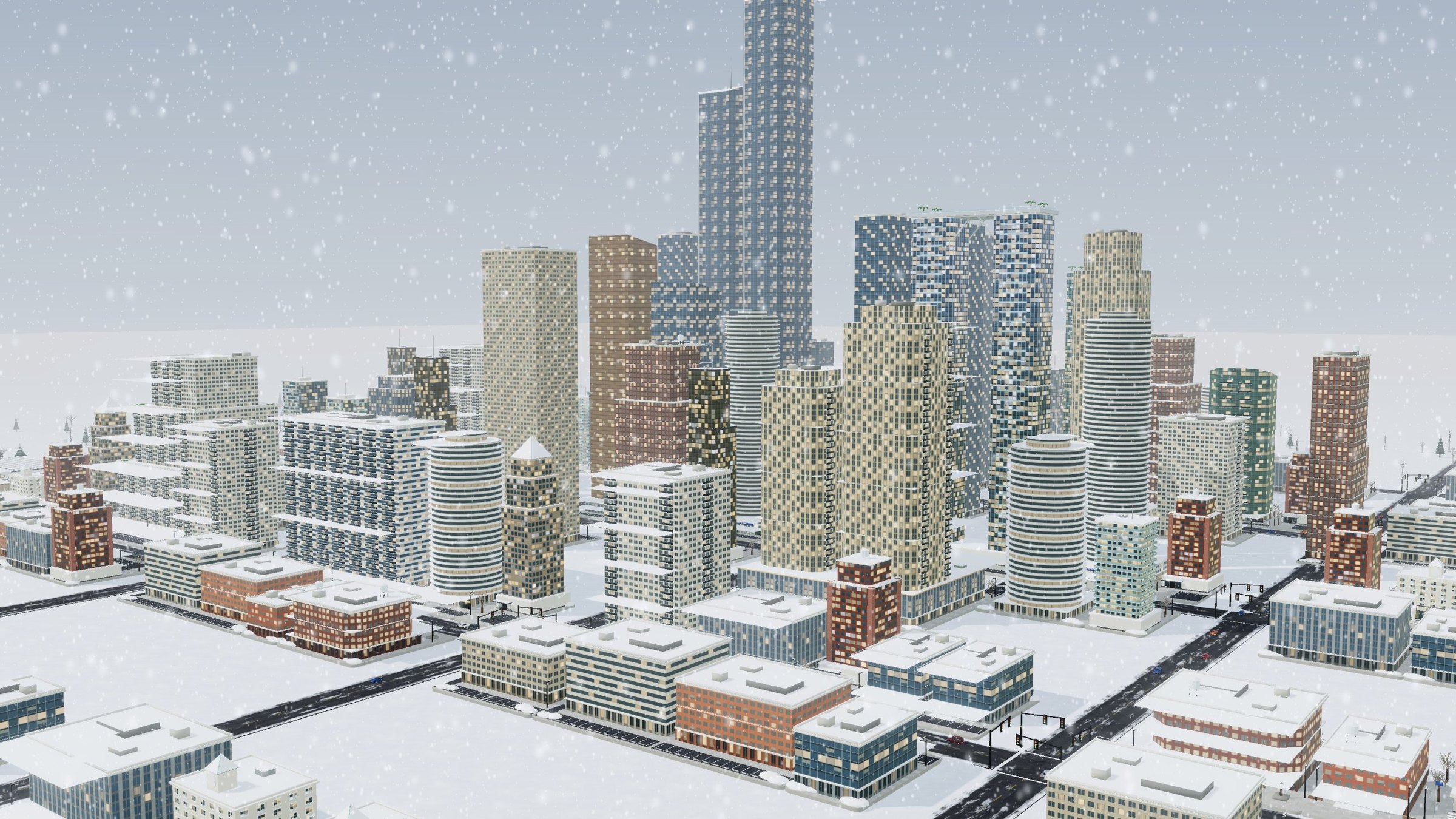
Downtown towers in winter in The City
Office towers fill with graduates. Without them, office zones stay empty.

Education tips

Schools before officesIf the O bar is high and offices stay empty, the city is short of diplomas. Build schools first, then wait: children have to grow up.
Read the plannerWhen people are out of work for want of a diploma, the planner says so.
Start smallThe plain school takes every age and is the cheapest way to give children a school in reach.
Mind the priceA private university can earn its keep, but high tuition puts it out of reach.
Grow the campusEach campus building adds places to every college or university within 20 blocks.
Staff come from your cityA building with no staff says why, such as No diplomas or No spare workers.

The full education guide

Who can take which job, and how schools, colleges and universities change your workforce, in the Municipal Code.

Figures are from the game's own data, version 1.9, as listed in the Municipal Code. Numbers can change between versions.

Out now in Steam Early Access

Achievements, play with a friend, and your city on your own player page. The store page is linked here the moment it opens.