Home › City services › Planning and zoning
Planning and zoning
Zone the land. The city builds itself.
Mark land beside a road for homes, shops, offices or industry and buildings go up by themselves. Homes need jobs and jobs need people, so zone all of them, and watch the demand bars to see what the city wants more of.
- Four zonesResidential, commercial, industrial and office.
- Three densitiesLow, medium and high. Towers need a big, happy city.
- Seven lot sizesFrom a quarter of a lot to eight lots along the road.
- Power and water firstNothing is built without electricity and water.
The four zones
Open the Build menu, then Zoning. Lots are laid along a road, two rows deep, and houses in the back row get a small alley to the street.
| Zone | Grows into | Needs |
|---|---|---|
| Residential | Houses, apartments, condo towers | Jobs nearby, power and water |
| Commercial | Shops, then bigger stores and towers | Customers and workers |
| Industrial | Works and factories of many kinds | Workers. One density only |
| Office | Small offices, then office towers | People with a diploma or a degree |
Only the lots that face a road can be zoned. Zoning costs $5 a lot.
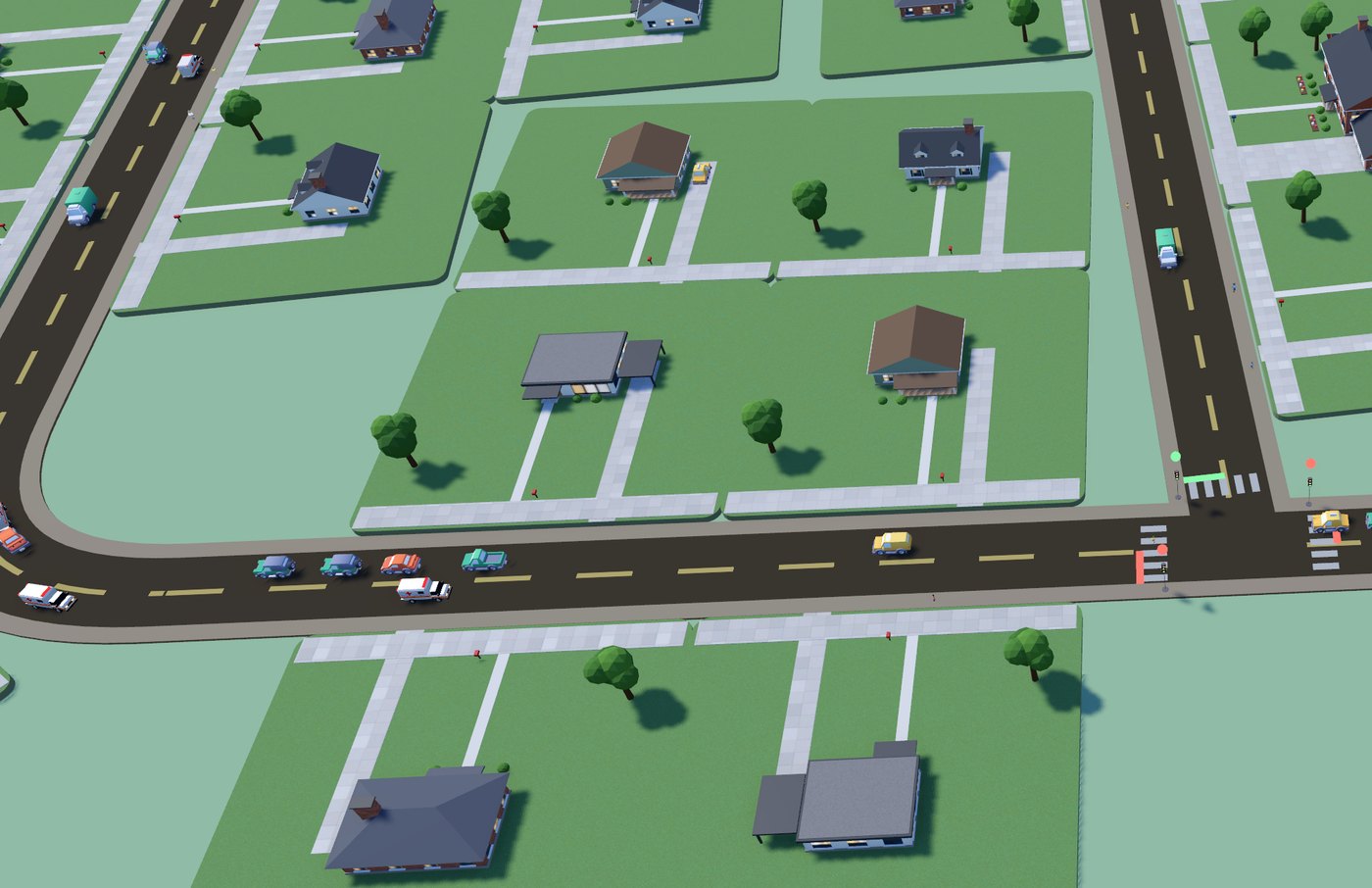
Density: what denser zones need
Low density stays houses and small shops for good. Medium grows to apartments and offices. High grows on to towers, up to 136 floors. Medium and high density homes, and office towers, only arrive once the city is big enough and happy enough.
| Density | City size needed | City happiness needed |
|---|---|---|
| Low | None | None |
| Medium | 1,000 residents | Over 44% happy |
| High (and office towers) | 1,500 residents | Over 55% happy |
A lot that is waiting says what it is waiting for: click it.

From zone to building
- A fenced building siteThe zoned lot becomes a building site. Materials arrive, and walls or a frame rise in stages.
- The building rises into placeIt only counts once it is finished.
- People move inFor homes, households arrive in moving trucks over time. They stop coming if work is scarce.
- Houses growA house is rebuilt bigger, from grade 1 to grade 4, once its people are happy enough for a good while and have saved enough.
- A building is only rebuilt bigger when the people in it are at least 55% happy.
- Zones only grow where a road is close by, and where there is electricity and water.
- How fast new buildings go up depends on how happy people are.
- A house becomes a grand grade 5 house if the plot next door is zoned and empty.
- Empty neighbouring lots of the same zone can join into one wide or large building. Bigger lots hold more people and jobs.
Services, parks, businesses, estates, farms and attractions are not zoned: you place them by hand from the toolbar. Placing one on zoning nothing has been built on clears the zoning for you.
Land value matters too. Parks, schools, hospitals, attractions, a street light at the door and police cover all lift it, while pollution and break-ins drag it down. Homes and offices on valuable land are rebuilt bigger sooner. Land value and pollution guide
Lot sizes
| Size | Footprint | Used for |
|---|---|---|
| Tiny | A quarter of a lot | Small buildings in leftover space |
| Narrow | Half a lot | Beside junctions and at street ends |
| Standard | One lot | Most buildings |
| Wide | 2 lots side by side | Headquarters, hospitals, department stores |
| Large | 2 x 2 lots | High school, supercenter, coal plant |
| Huge | 4 along the road, 2 deep | Race track, airfield |
| Vast | 8 along the road, 4 deep | International airport |
Huge and vast lots need that much straight road. Plan the space before the city grows around it.
Industries
Industrial land has one density. Each industrial lot is given an industry when it is zoned, and the works that go up match it.
| Industry | Its works |
|---|---|
| Lumber | Sawmill |
| Metal | Steel works |
| Stone | Stone yard |
| Food | Food plant |
| Textiles | Textile mill |
| Chemicals | Chemical plant |
| Cement | Cement works |
| Industry | Its works |
|---|---|
| Paper | Paper mill |
| Grain | Grain mill |
| Electronics | Chip fab |
| Toys | Toy factory |
| Pharmaceuticals | Pharma plant |
| Cars | Car factory |
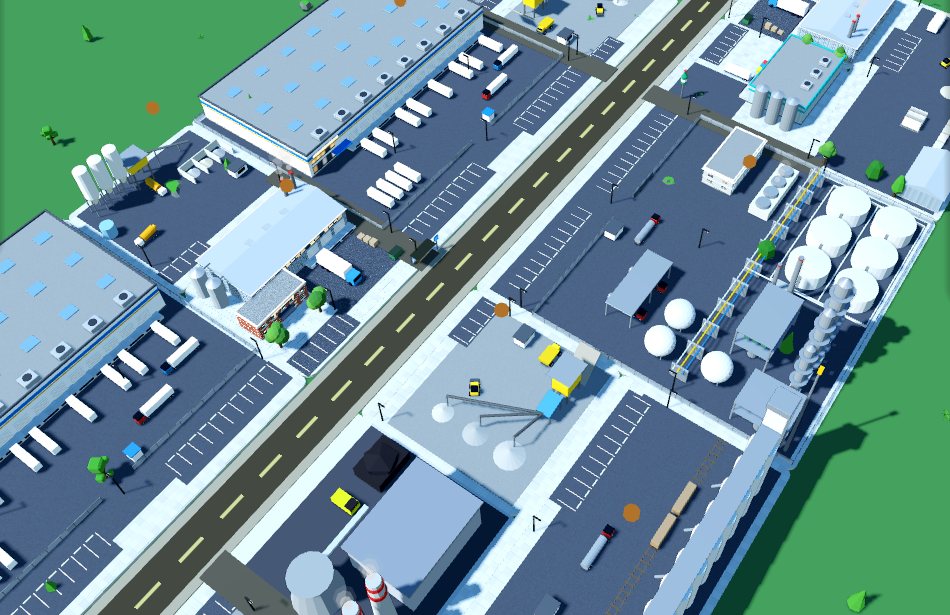
Factories pollute by kind and size: chemical plants and cement works are the worst, food plants and grain mills the least. A district can ban heavy industry with a free policy.
Planning tips
The full zoning guide
Zones, densities, lot sizes and what makes a house become a tower, in the Municipal Code. It is written from the game itself.
Figures are from the game's own data, version 1.9, as listed in the Municipal Code. Numbers can change between versions.

Coming to Steam Early Access
Achievements, play with a friend, and your city on your own player page. The store page is linked here the moment it opens.